Recover revenue
Keep worthwhile quotes and leads from disappearing when the office gets busy.
Neyton works with the tools you already use to capture, qualify, follow up, and prioritize demand based on your pricing, service areas, schedule, and available capacity.
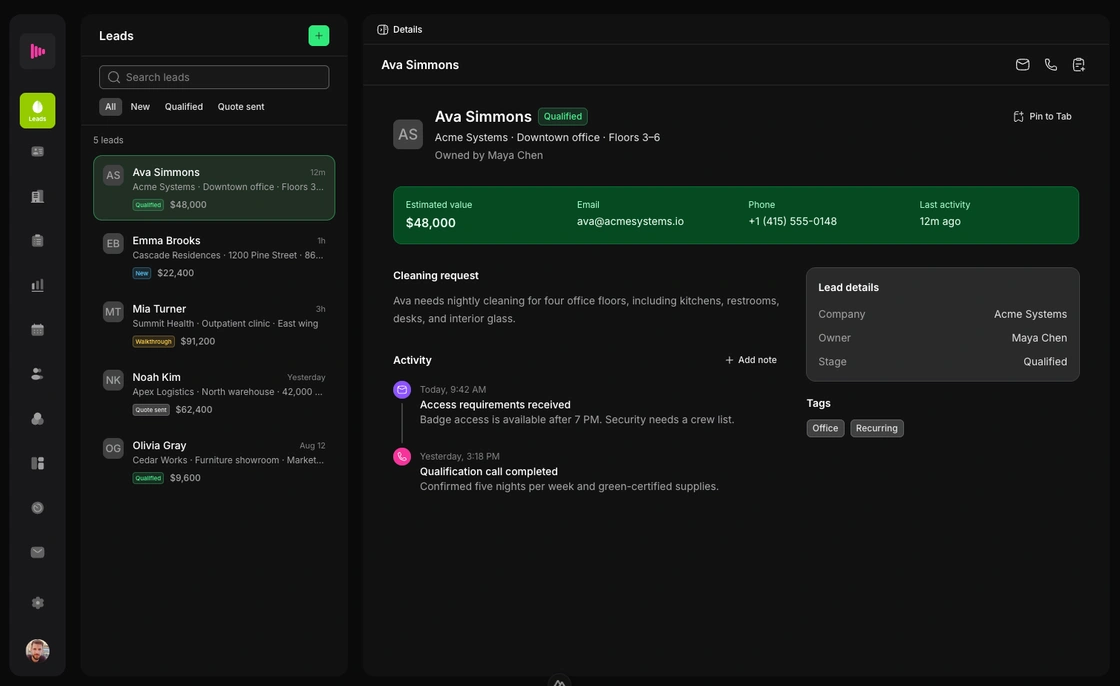
Demandandcapacityaremanagedseparately.AleadwaitswhileTuesdayhasemptycleaner-hours.Fridaygetsoverloaded.Arecurringopportunitylosesattentiontoalow-fitone-timejob.Marketingkeepsrunningevenwhenthebestserviceareaisfull.Moreleadsdonotfixthis.Therightjob,intherightplace,attherighttimedoes.
The operating problem Growth Desk is built to solve.
Keep ZenMaid, Jobber, QuickBooks, and the tools your team already knows. Growth Desk adds the decision layer between incoming demand, your schedule, and the next profitable booking.
 Growth DeskThe decision layer
Growth Desk focuses the office team on work that fits the business — the right customer, service area, timing, price, and path to recurring revenue.


Calls, forms, landing pages, and lead sources are inputs — not the product story. Neyton turns them into business context so the next action can be based on fit, value, and capacity.
Connection availability varies by source. The demo confirms what is available now and what is planned.
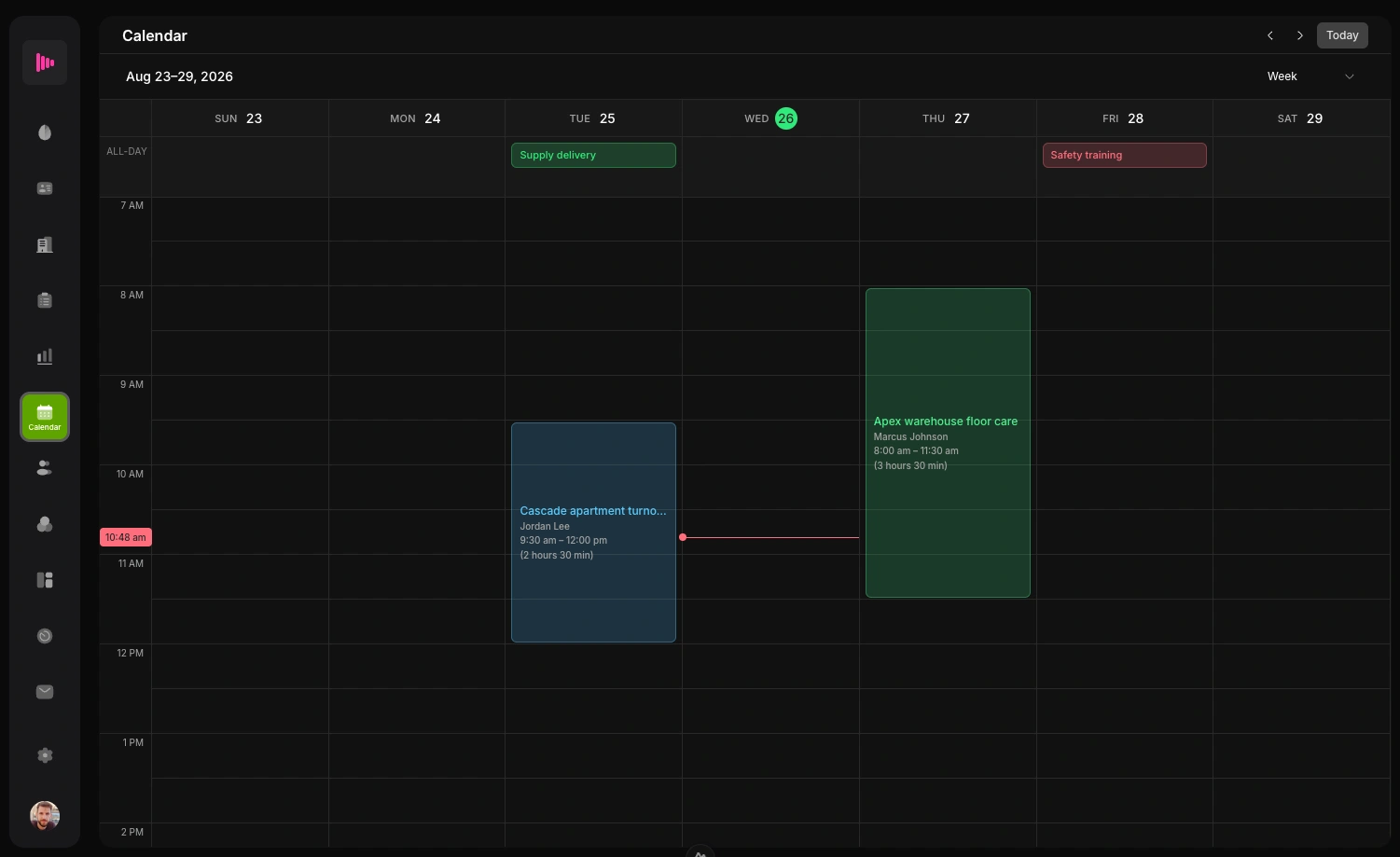
Define the areas your crews serve and see where capacity is open, constrained, or full. Growth Desk uses that picture to recommend demand that fits instead of pushing every lead toward the first open-looking slot.
Surface qualified leads that could fill the gap without breaking the route.
Offer appropriate later availability instead of forcing another bad booking.
Give a high-value recurring lead different attention from a low-fit one-time request.
Growth Desk recommendation: Downtown is full. Work the qualified Northside leads for Thursday before adding more demand.
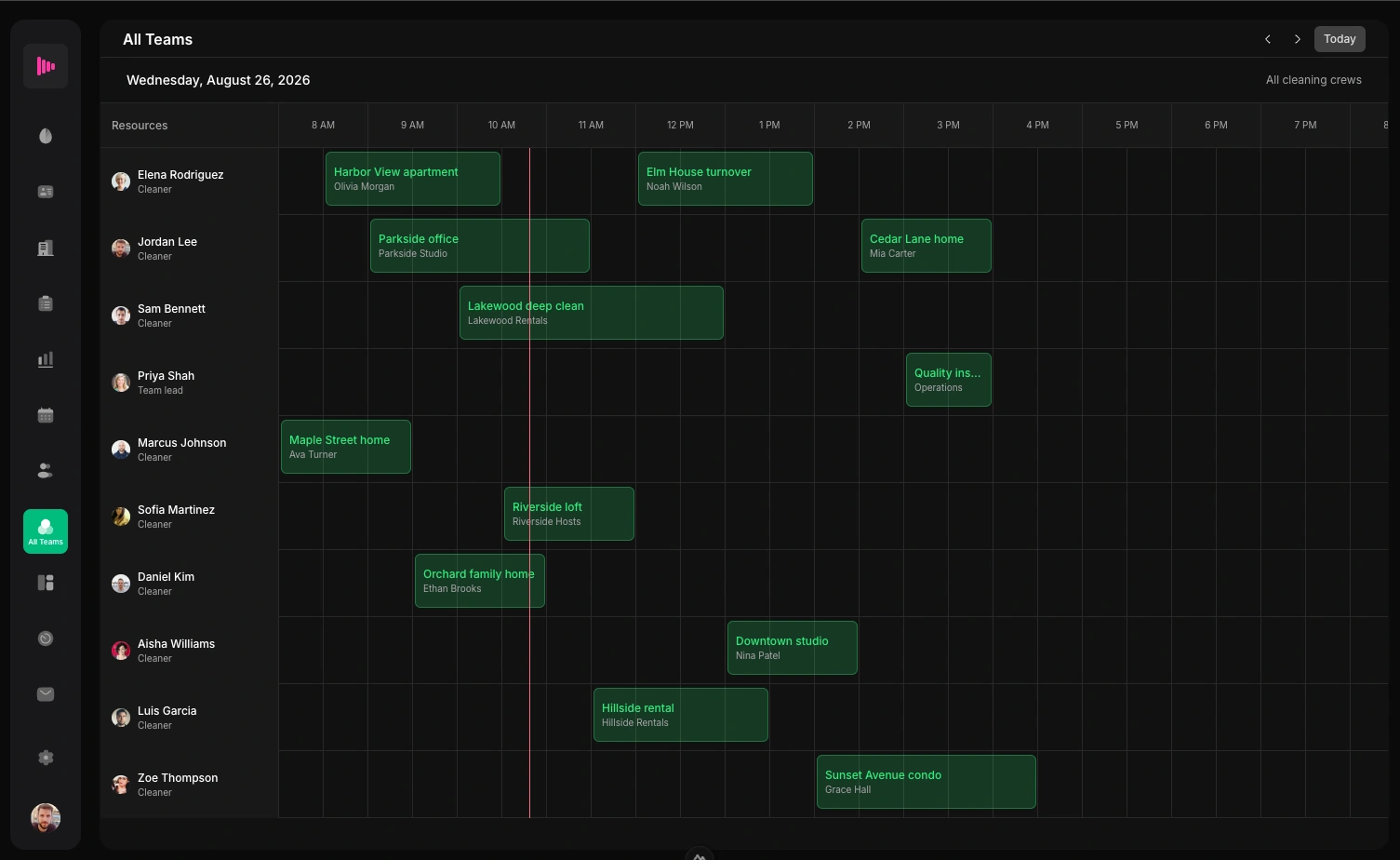
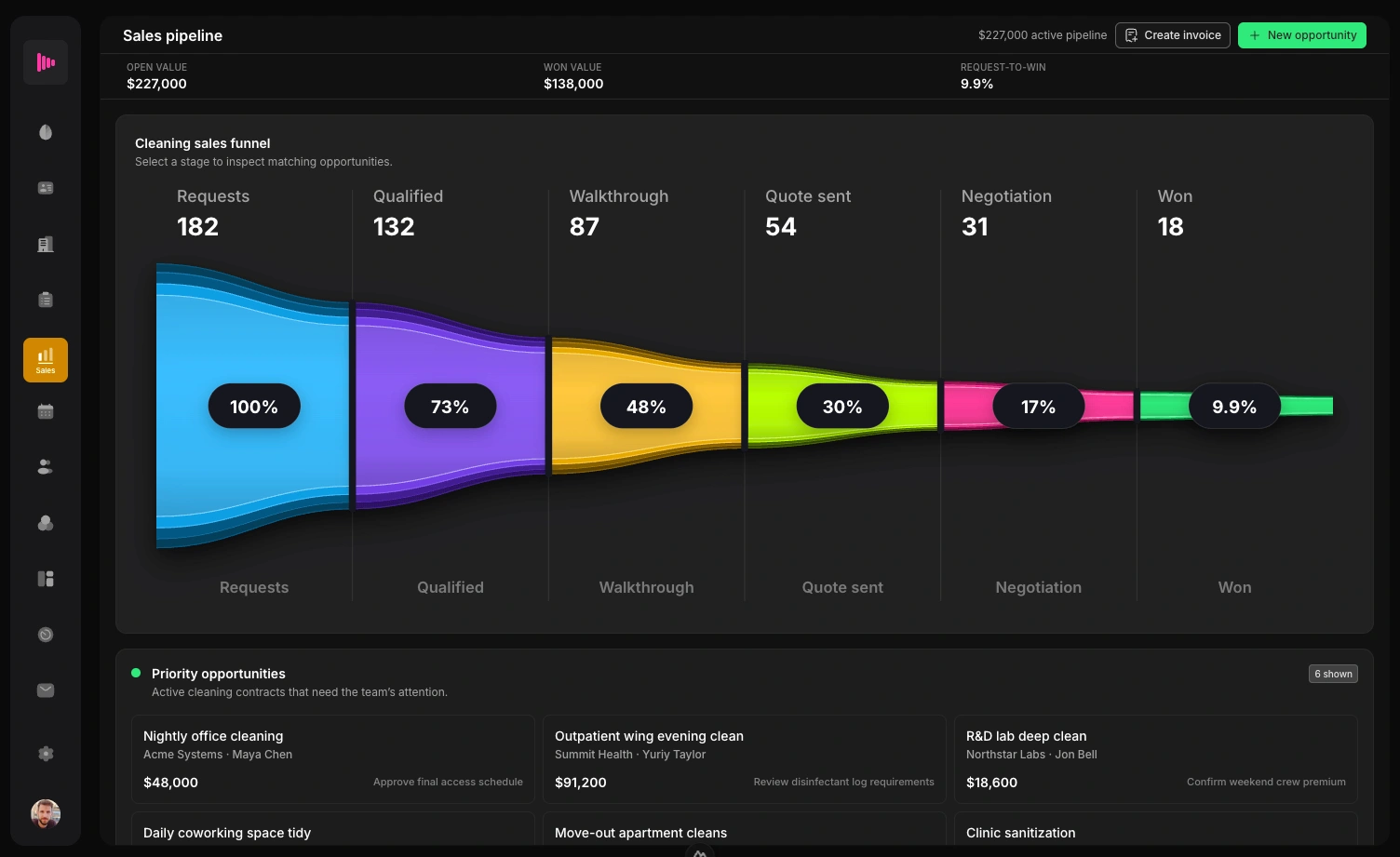
A missed voicemail, an unanswered quote, an open Tuesday, and an old recurring prospect are not four separate problems. Growth Desk connects them and surfaces the next action that matters.

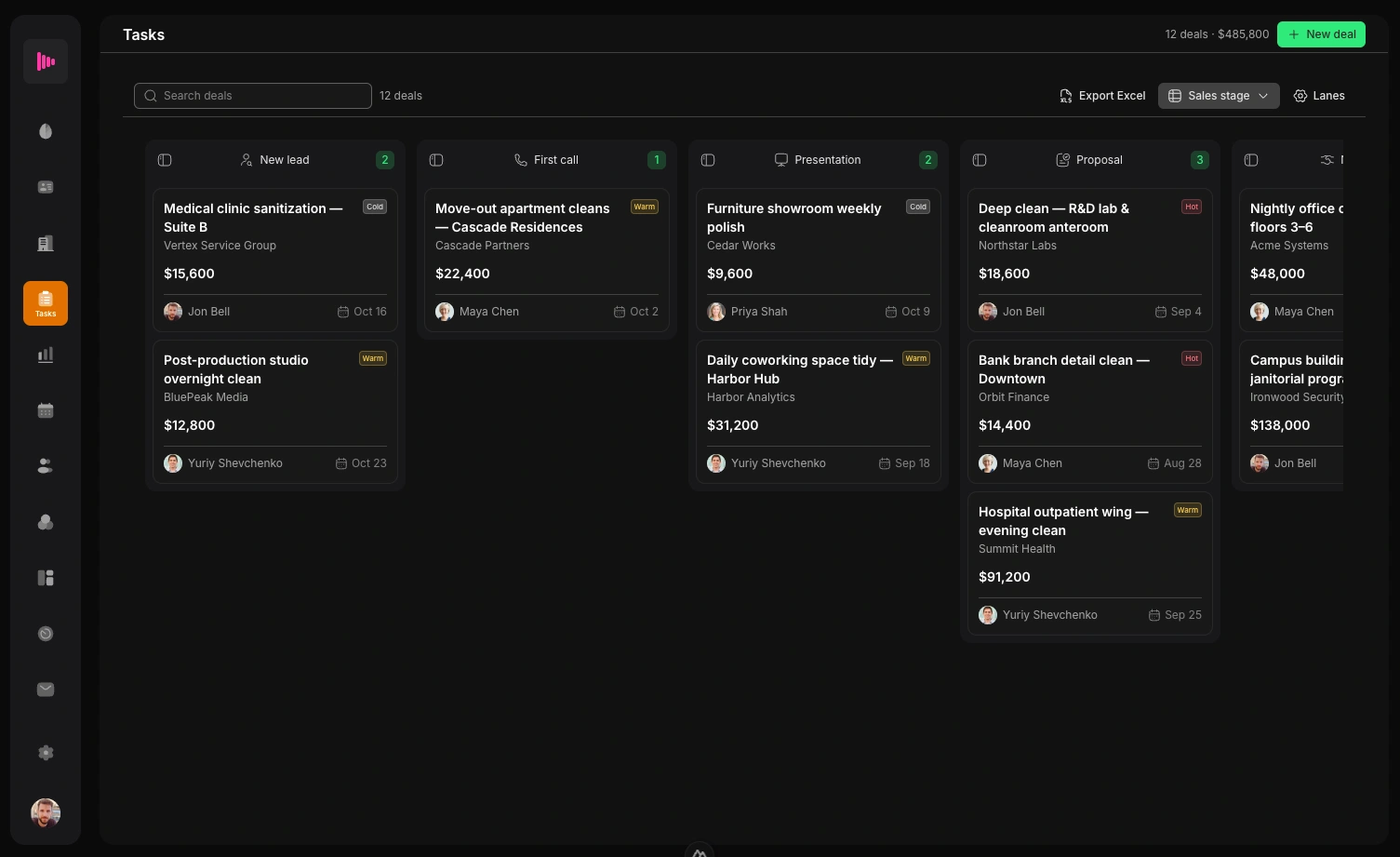
Bring the missed voicemail, open quote, website request, or old estimate into the growth picture.
Connect the request to price, service area, customer history, schedule, and usable cleaner capacity.
Follow up, prepare a quote, offer a better day, ask for approval, or leave the opportunity alone.
Not “how do I get more leads?” What should we do with the demand we have, given the week we need to fill?
“Thursday has unused cleaner-hours. Which qualified leads could fill them?”
“We quoted her Monday and nobody followed up. What should happen now?”
“Next week is full. Offer this good lead a later time instead of a bad slot.”
“Which of these leads should my office manager call first?”
“Can we fill this cancellation with the right customer, without discounting it?”
“We have 40 old estimates. Who is worth contacting again this month?”
Neyton is built around business outcomes, not AI novelty. Every workflow should recover revenue, fill profitable capacity, protect margin, reduce wasted demand, or save the office team time.
Keep worthwhile quotes and leads from disappearing when the office gets busy.
Connect demand to the days, crews, and service areas that can take the work.
Evaluate price, travel, fit, and recurring value before calling a booking a win.
Reduce the manual checking, chasing, and prioritizing that happens between systems.
Growth Desk works inside the boundaries you set. The operator decides how the business prices work, where crews serve, which demand qualifies, and when a human must approve the next step.
Neyton brings together enough context about leads, customers, schedule, and capacity to make better growth decisions. Your existing operational tools can remain the systems of record.
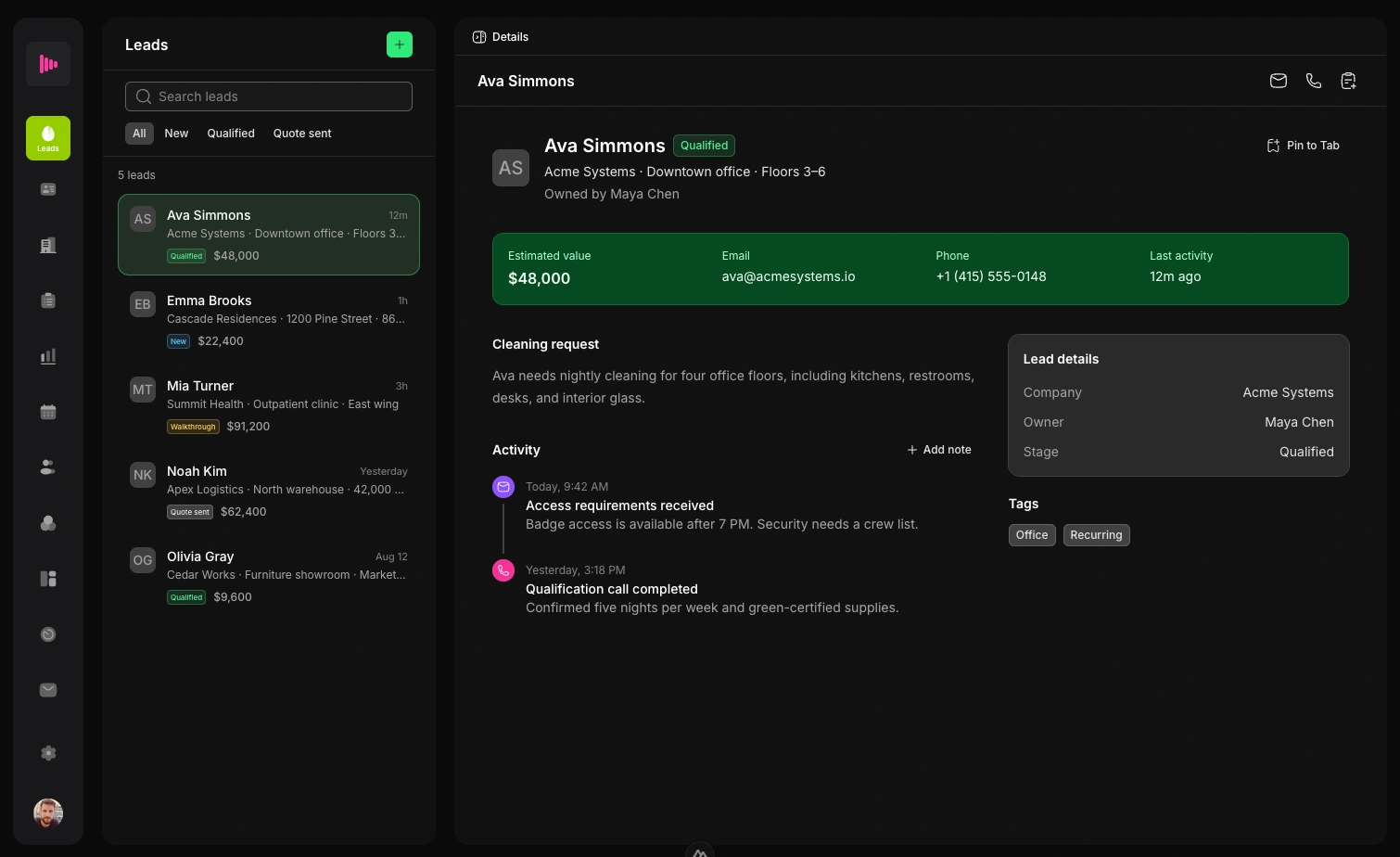
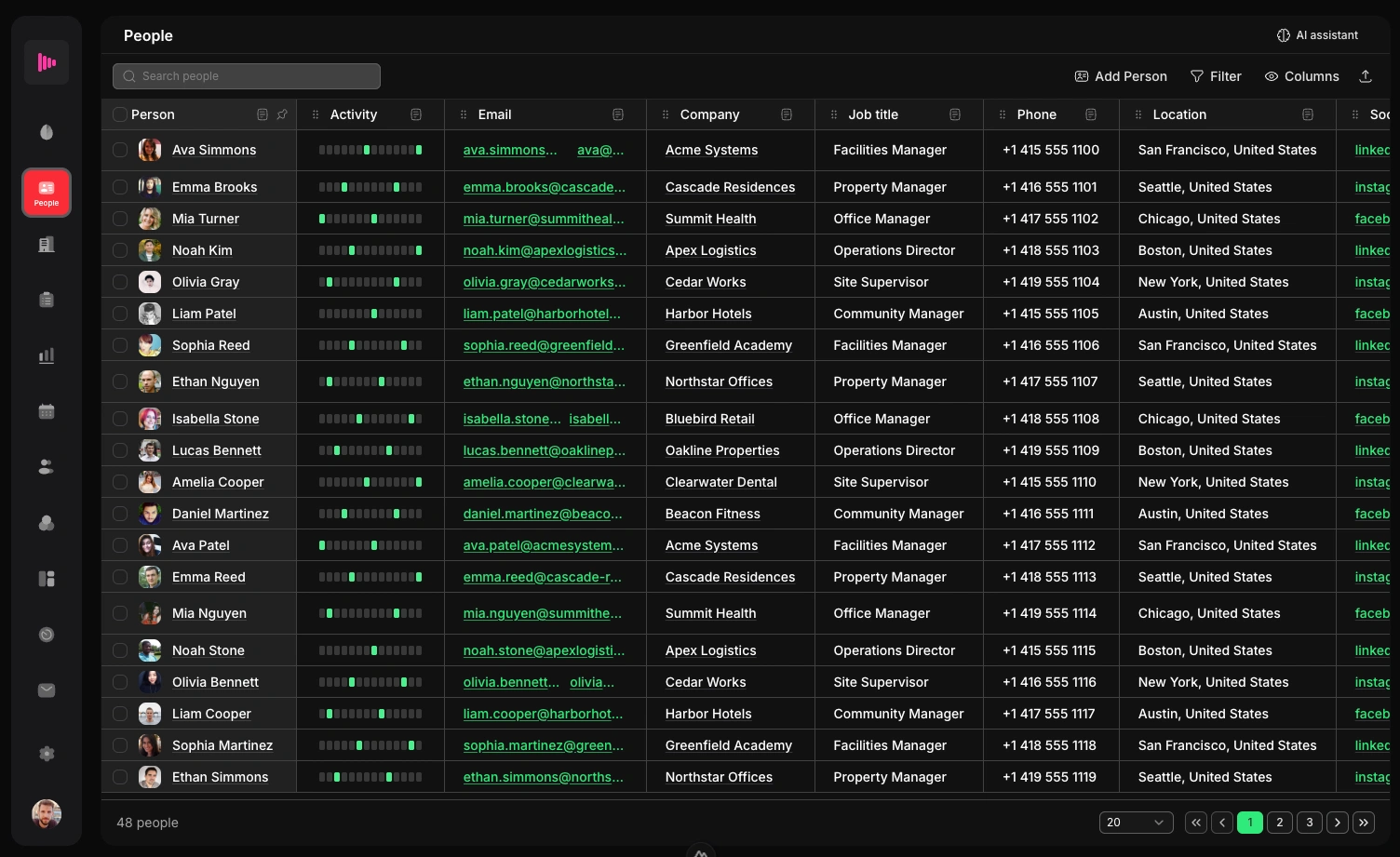
See the customer, request, status, and conversation in one place.
These are recurring patterns, not customer testimonials.
Patterns synthesized from 51 cleaning-industry research sessions.
Recurring clients matter only where the team can serve them profitably.
Operators want to keep the scheduler and improve the decisions around what goes into it.
Follow-up is usually lost when the owner or office team gets pulled into the day.
A full calendar can still be a bad week when travel, timing, and crew capacity do not line up.
Pricing needs to use owner-controlled assumptions, not a generic market average.
Growth Desk should add leverage without asking you to rebuild the business around it.
Bring your current stack, service areas, and booking constraints. We’ll show you where Neyton fits.